Over Three Decades of Restoration: A World Environment Day Tribute to Cousine's Conservation Story
Some islands are beautiful by accident. Cousine Island is beautiful by decision.
Look closely at the flourishing forest, the seabird-filled sky and the giant tortoises moving slowly through the undergrowth, and you are not merely looking at untouched wilderness. You are looking at one of the most patient restoration projects in the Indian Ocean, the result of more than thirty years of deliberate, devoted work.


The Island That Was Almost Lost
It is easy to forget how close this paradise came to becoming something else entirely.
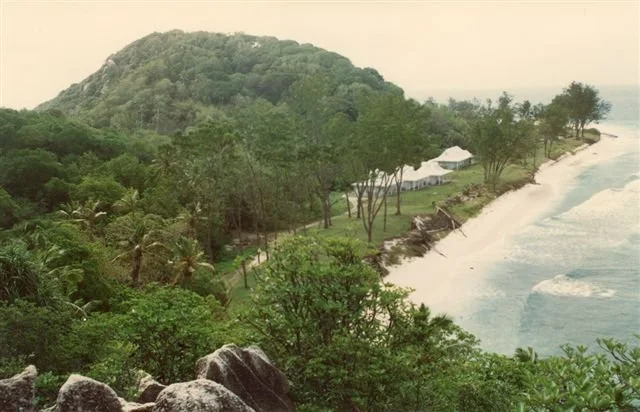
Cousine's recorded history of human use stretches back to 1818, and for much of the time since, the island was treated as a resource to be spent rather than a home to be protected. Its native vegetation was cleared for coconut, banana, tobacco and guinea grass. The surrounding reefs were heavily fished. Turtles that came ashore to nest were exploited, and the Sooty Terns, overwhelmed by the disturbance, abandoned their breeding colony altogether.
By the late twentieth century, the island that had once teemed with life was a worn-down version of itself. The story could easily have ended there, as it has for so many islands across the world's oceans.

1992: A Vision Takes Root
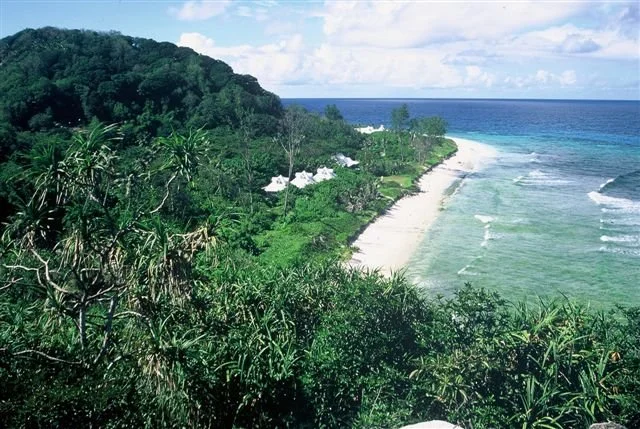
Instead, in 1992, Mr M.F. Keeley purchased Cousine Island and made a different choice.
Where others saw a depleted landscape, he saw what it could become again. What followed was not a quick cosmetic fix but a long-term commitment to bring an entire ecosystem back to life, funded and championed year after year. Since then, scores of researchers and conservationists have given themselves to the work of returning the island to health.
It is worth pausing on how unusual that decision was. Restoration on this scale offers no quick return and no easy milestones. It asks for a kind of patience that most ventures never demand, a willingness to plant trees whose full height you may never see and to measure progress in decades rather than quarters. That Cousine exists at all, in the form it does today, is a testament to exactly that patience.
That decision is the foundation of everything Cousine is today, and the heart of its ongoing conservation and sustainability story. The fuller account is told in the island's history journal, a record of how a tired plantation became a thriving sanctuary.
Replanting a Forest by Hand
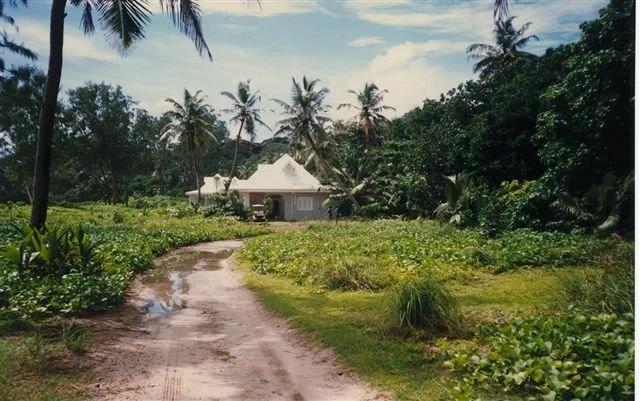
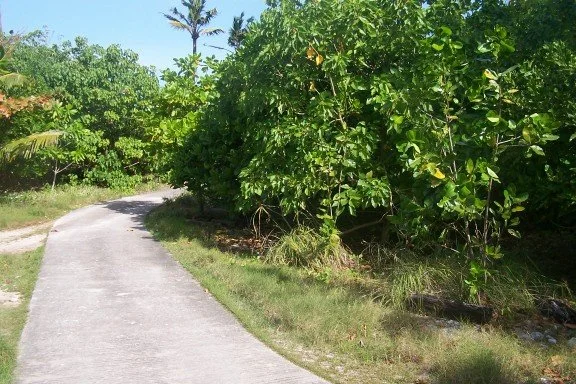
Restoration began with the land itself. The non-native plantations were gradually cleared, and in their place the island's original vegetation was encouraged to return. Native trees were replanted, quite literally, by hand, one seedling at a time, in an effort measured not in seasons but in decades. A forest, unlike a building, cannot be rushed. It can only be tended.
Today that work continues, and guests are invited to take part in it. The island's indigenous tree planting and reforestation programme lets visitors add a living contribution to the island's future, a tree that will still be growing long after they have returned home. It is conservation you can hold in your hands.
The species matter as much as the numbers. Returning the right native trees, the ones that belong to this granite and this climate, is what allows the rest of the ecosystem to slot back into place. Insects return to the leaves, birds return for the insects, and the soil itself slowly rebuilds. A restored forest is not simply a green version of a bare one. It is a working machine with thousands of moving parts, reassembled patiently over many years.

Seychelles
Magpie-Robin
Introduced to Cousine Island in 1995, the once critically endangered bird was down to 16 individuals on one island in the 1970s.
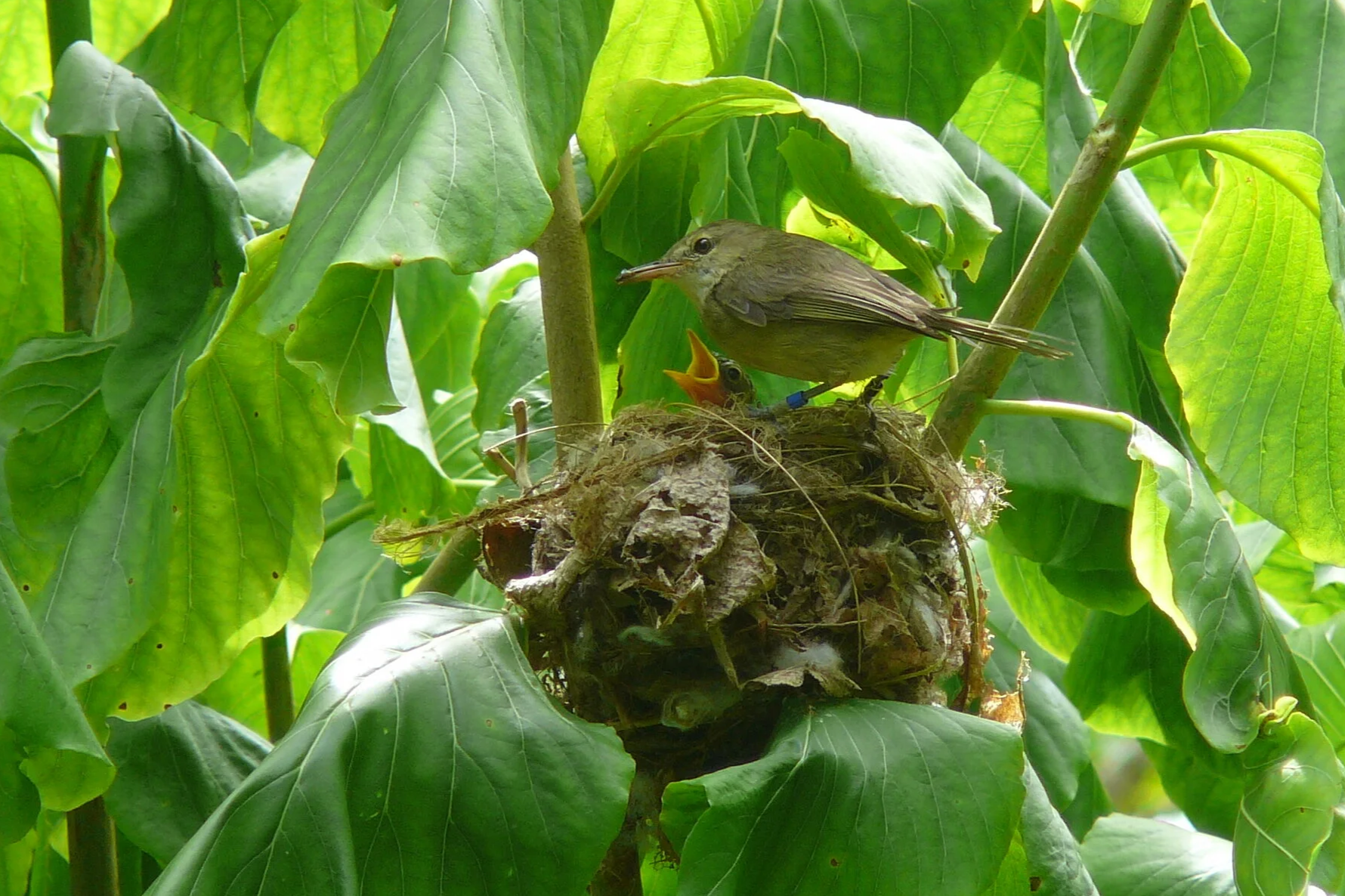
Seychelles Warbler
This small songbird has recovered from a critical population of only 30 birds on a single island to healthier numbers (and a near-threatened status).
Bringing the Wildlife Home
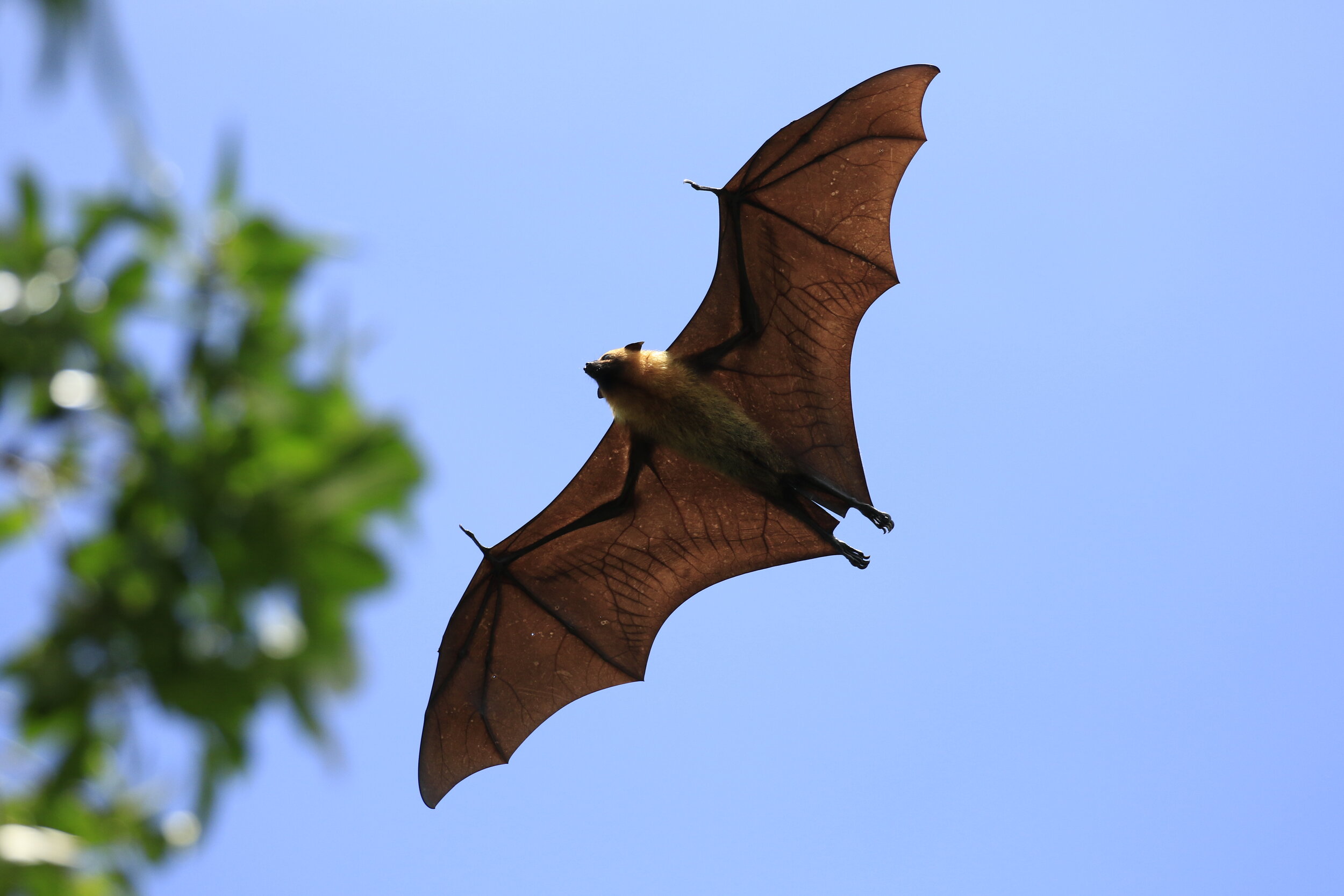
A healthy forest is only the beginning. The deeper triumph of Cousine's restoration is the wildlife that has returned to it. Today the island is one of the few in the Seychelles entirely free of invasive mammals such as rats and cats, the predators that quietly erased native species from so many other islands. That hard-won status is what makes everything else possible.
The absence of rats and cats is no minor housekeeping detail. On island after island across the world, it is precisely these introduced predators that have driven ground-nesting birds and their eggs to extinction. By keeping Cousine free of them, the island removes the single greatest threat to its seabird colonies and its endemic land birds in one stroke. Everything that thrives here does so partly because of that quiet, constant vigilance.
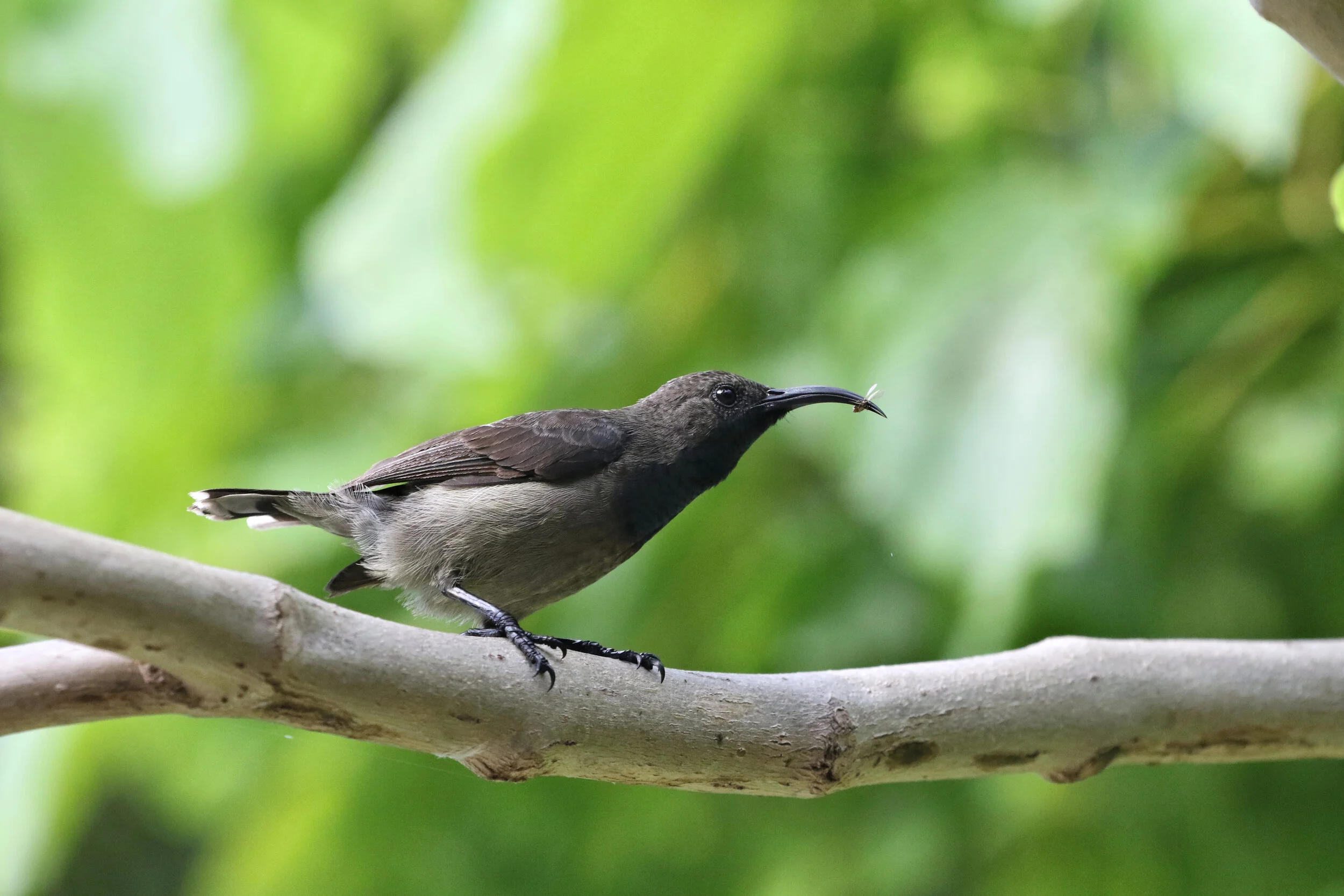
Within this safe haven, some of the Seychelles' rarest birds have found a stronghold. The Seychelles Magpie-Robin and Seychelles Warbler, both once perilously close to extinction, are part of the island's living recovery. Aldabra giant tortoises, reintroduced from 1992, now move through the island as gentle, ancient residents.
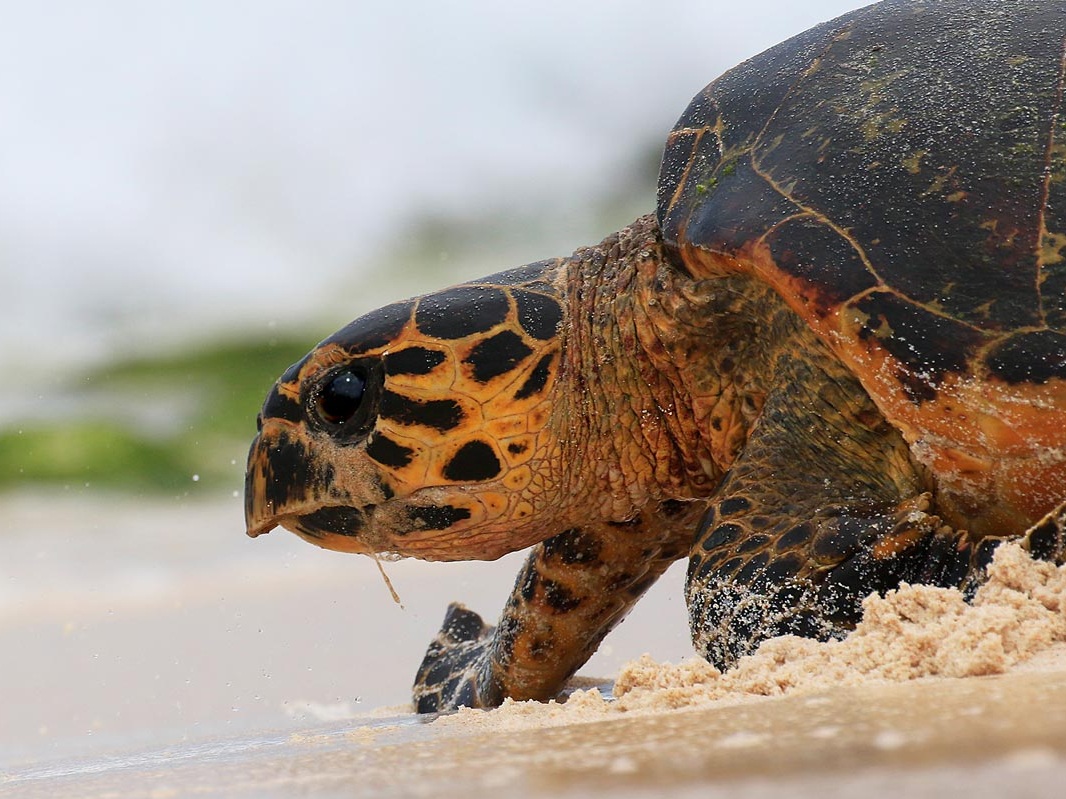
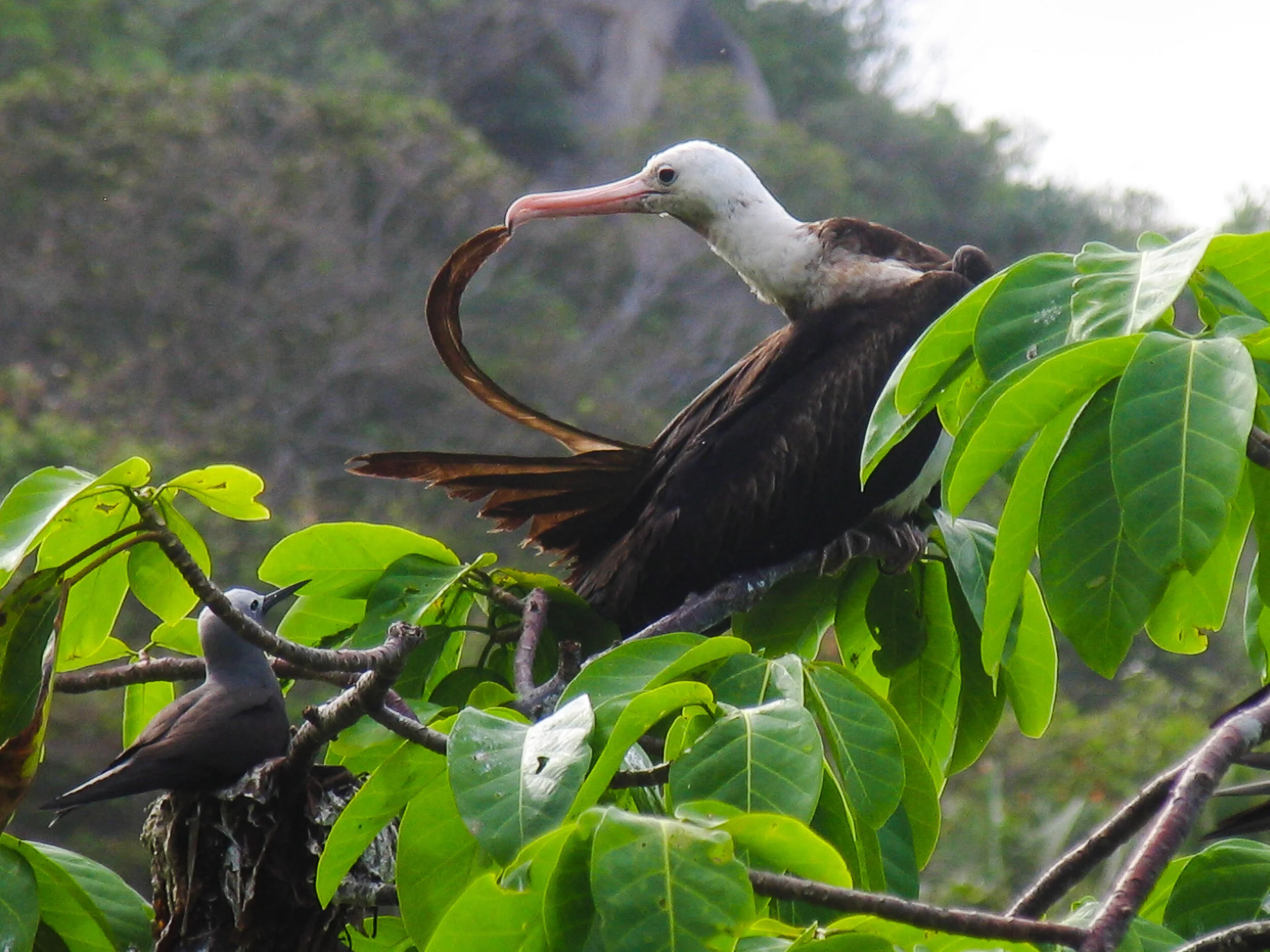
Each year tens of thousands of seabirds return to breed, and hawksbill turtles come ashore to nest on the same beaches their ancestors once did. The island has, in the truest sense, been brought home to itself.

Conservation You Can Witness
None of this is hidden from guests. Cousine's model rests on a simple belief: the best way to protect nature is to let people fall in love with it.
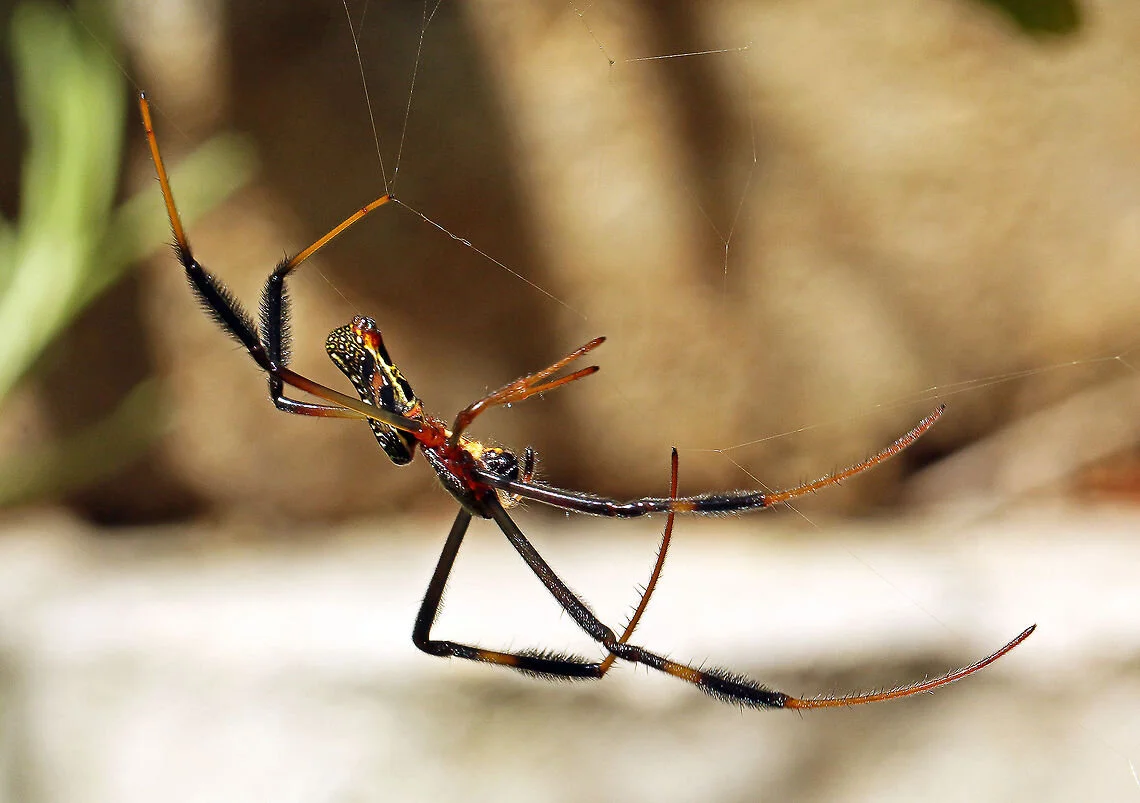
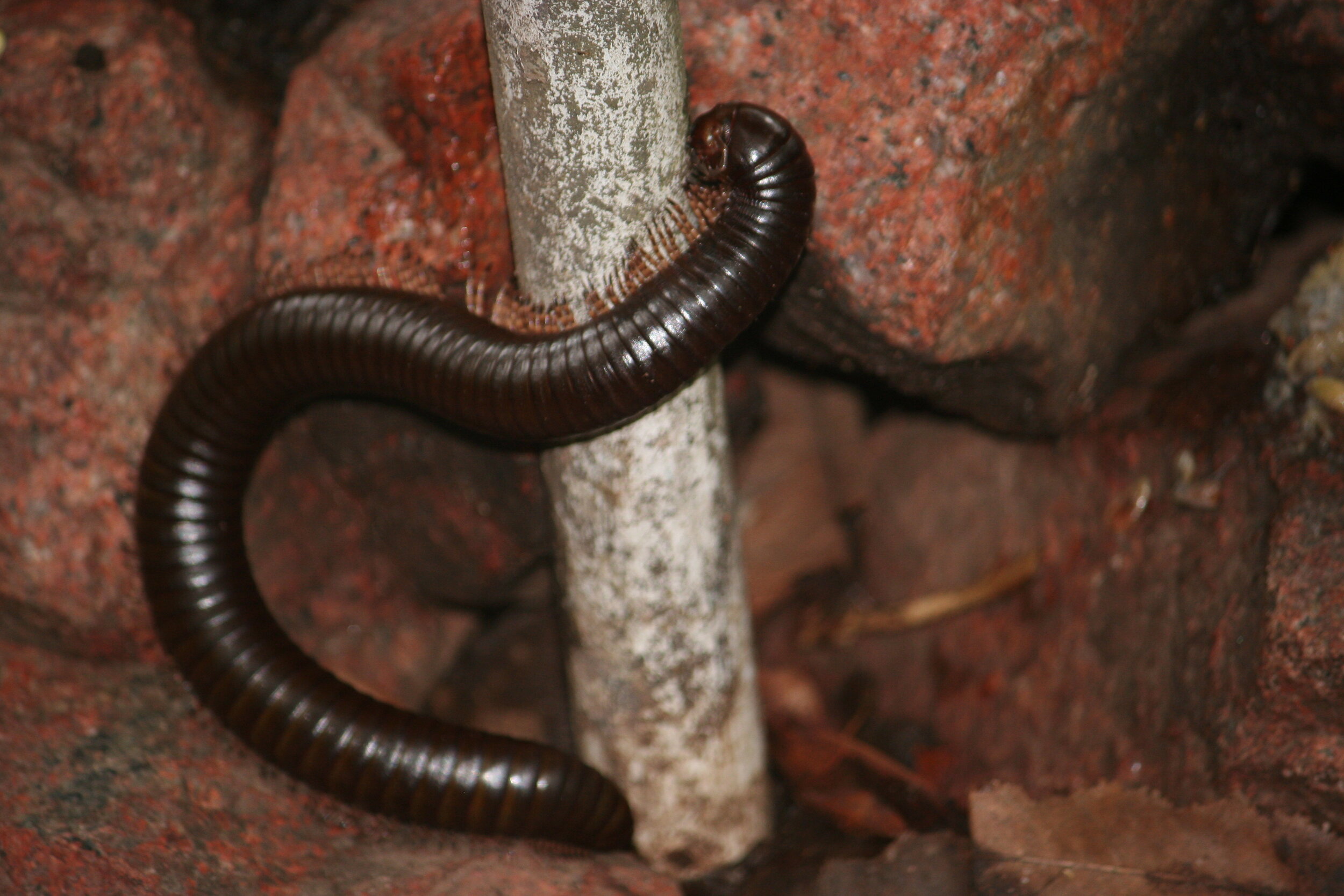
At the island's eco research lab, visitors can see the monitoring and research that underpin decades of careful management. On a guided nature walk, the conservation team shares the island's endemic species and the long story of their return. It is a rare kind of luxury: a holiday where the very thing you are enjoying is also being actively restored, and where you are welcome to be part of that restoration rather than a spectator to it.
It changes the texture of a holiday entirely. A sunset is more moving when you know the forest behind you was planted by hand. A tortoise is more remarkable when you understand it was deliberately brought back from elsewhere. The luxury of Cousine is not only its seclusion and its comfort. It is the rare sense of being somewhere that is genuinely better for your having visited it.





Time Enough to Feel It
The Reimagine Package
World Environment Day, marked each year on 5 June, is a reminder that the natural world is not a backdrop to our lives but the ground beneath them. You can read about the global observance here. Cousine offers a place to feel that truth without distraction, and the Reimagine package is designed for travellers who want the time to feel it fully.
Stay fourteen nights and pay for twelve in the Presidential Villa, the island's most exclusive accommodation, with all meals, a massage for each guest, selected house beverages, and a Champagne welcome on arrival. Two unhurried weeks on a restored island is long enough for the pace of the place to begin to change you, whether for a milestone celebration, a family gathering, or a complete reset of the soul.
To begin planning a stay with that kind of depth, speak with the Cousine Island team.
Cousine Island is proof of a quietly radical idea: that what has been damaged can be restored, given enough patience and enough love. More than thirty years on, the forest is thick, the tortoises are old, and the sky is full of wings. This World Environment Day, that is the story worth telling. Not of a paradise found, but of a paradise rebuilt.