Stewards of the Indian Ocean: How Cousine Island Honours World Oceans Day—Every Day
There is a moment, just after sunrise on Cousine Island, when the ocean is so still it seems to hold its breath.
The reef lies clear beneath the surface, the seabirds have not yet lifted from the trees, and the only sound is water meeting sand. In moments like these, the relationship between this private Seychelles island and the sea around it feels less like scenery and more like kinship.
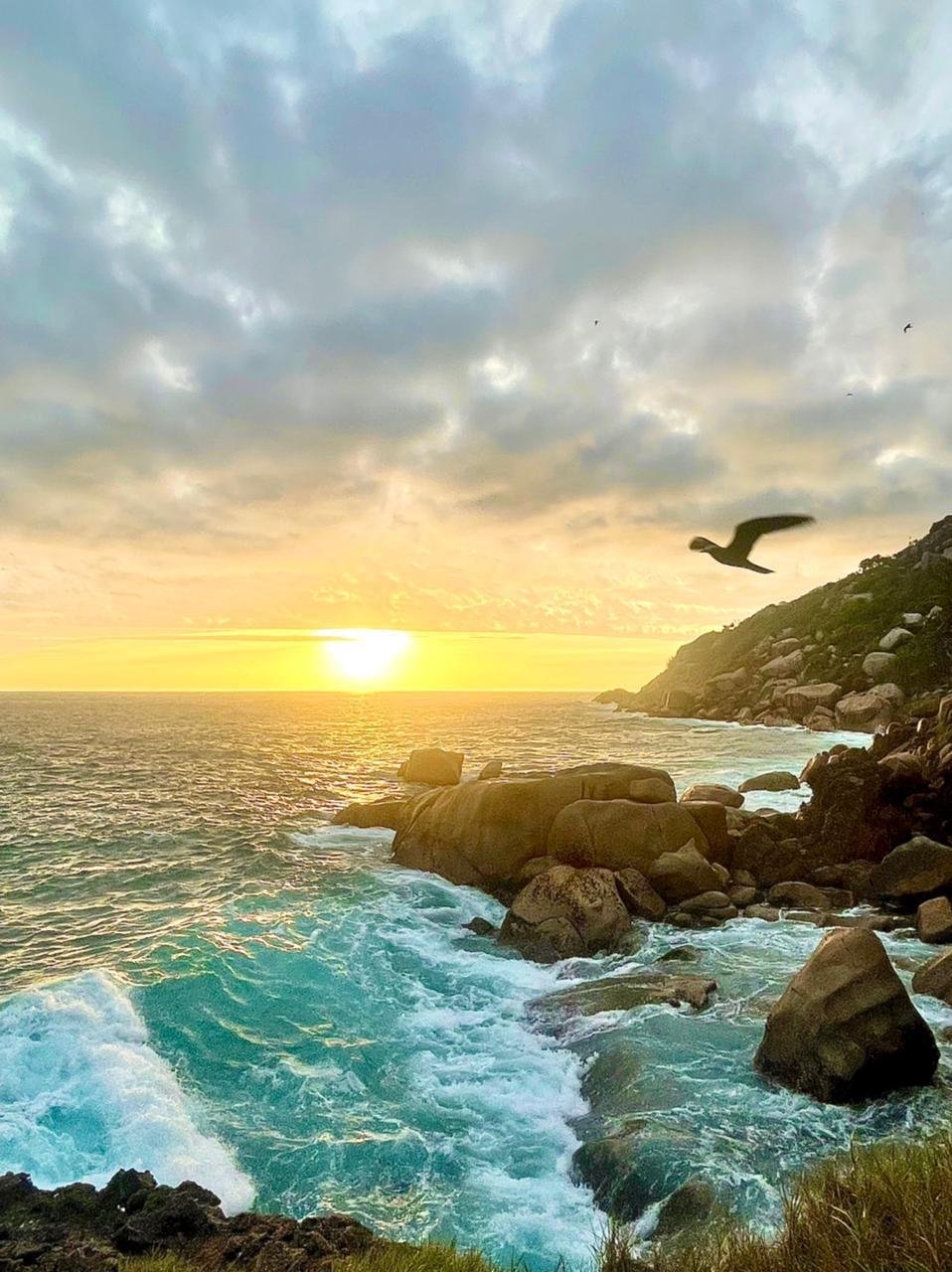
Sunrise on Cousine Island Seychelles
A Day That Lasts All Year
Every year on 8 June, the world marks World Oceans Day, a global call to protect the waters that sustain all life. On Cousine Island, the date is not a one-day campaign. It is simply a public name for something the island has been doing quietly for more than three decades. Ocean stewardship here is daily, unglamorous and continuous, woven into the rhythm of island life rather than staged for a calendar.
The team' s view is a simple one: protection is a habit, not an anniversary. That philosophy sits at the centre of the island's conservation and sustainability work, where the health of the sea is treated as inseparable from the health of the island itself.

Cousine Island, Jewel of the Seychelles
The Reef That Feeds the Sky
To understand why the ocean matters so much here, it helps to look up. Cousine is one of the Indian Ocean's most active seabird sanctuaries, home to tens of thousands of breeding Lesser Noddies, Fairy Terns and White-tailed Tropicbirds. These birds are not separate from the sea. They are an expression of it. They feed on fish from the surrounding waters, and their abundance is one of the clearest signs of a healthy ocean.
Where the reef thrives, the fish follow, and where the fish are plentiful, the sky fills with wings.
The connection runs deeper still. Seabird colonies enrich the island's soil, which in turn nourishes the native forest that shelters the island's remarkable birdlife. A reef in good health, then, is never only a marine concern. It is the first link in a chain that reaches all the way into the forest canopy. Damage the ocean and you eventually thin the trees. Protect it, and the whole system holds together.
It is a humbling idea once you grasp it. The white tern wheeling over the villa at breakfast is, in a sense, a living sign of the sea's health. Marine scientists call seabirds bio-indicators, because the rise and fall of their colonies mirrors the condition of the ocean that feeds them. On Cousine, that sign is always there to be read, every bird overhead a quiet reminder of how closely the island' s fortunes are tied to the water around it.
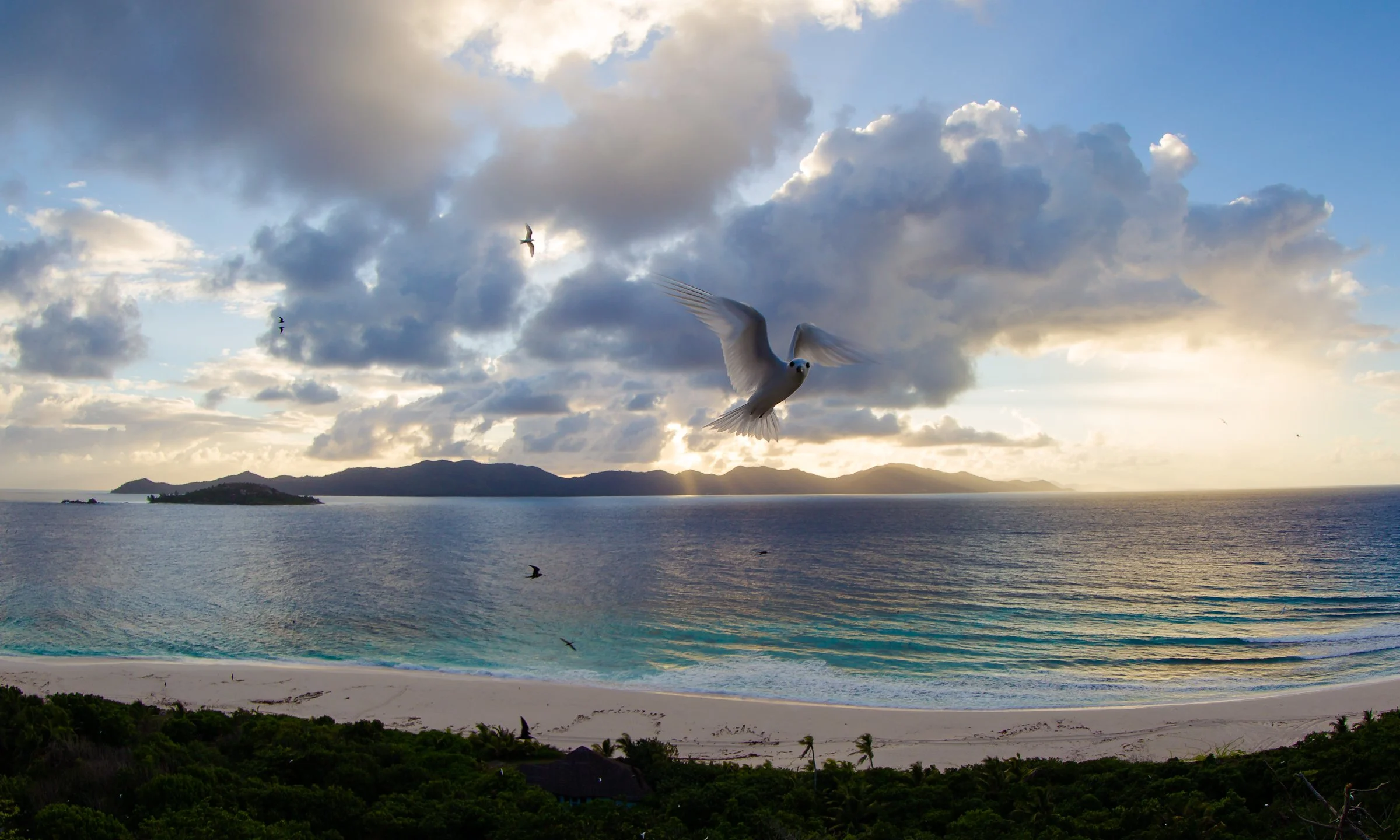
The majestic Fairy Tern is just one of the seabirds that find sanctuary on Cousine Island
Protecting the Waters
Protecting a reef does not always mean intervening in it. Often the most powerful thing a place can do for the sea is to leave it largely undisturbed, and that restraint is central to how Cousine operates. The waters around the island are not commercially fished, the shoreline is kept free of pollution, and the island's deliberately low footprint means the reef is spared the pressures that crowd so much of the world's coastline. What thrives here, thrives because it has been given the room to do so.
That protection extends to the creatures the reef supports. Cousine's beaches are an ancestral nesting ground for hawksbill turtles, which return to lay their eggs on the same sands their forebears used, and the island guards those nesting sites with care. You can read more about the island's wider marine commitments in its preserving marine life journal. It is a quieter form of conservation than the headline-grabbing kind, but no less real: protect the water, protect the shore, and protect the creatures that move between them.
There is a patience to all of this. An ecosystem cannot be rushed back to health, and it cannot be safeguarded in a single grand gesture. It is preserved instead through countless small, daily decisions, the choice not to overfish, not to pollute, not to crowd, not to take more than the island can give. On Cousine, those decisions have been made consistently for more than three decades, and the living sea offshore is the reward.
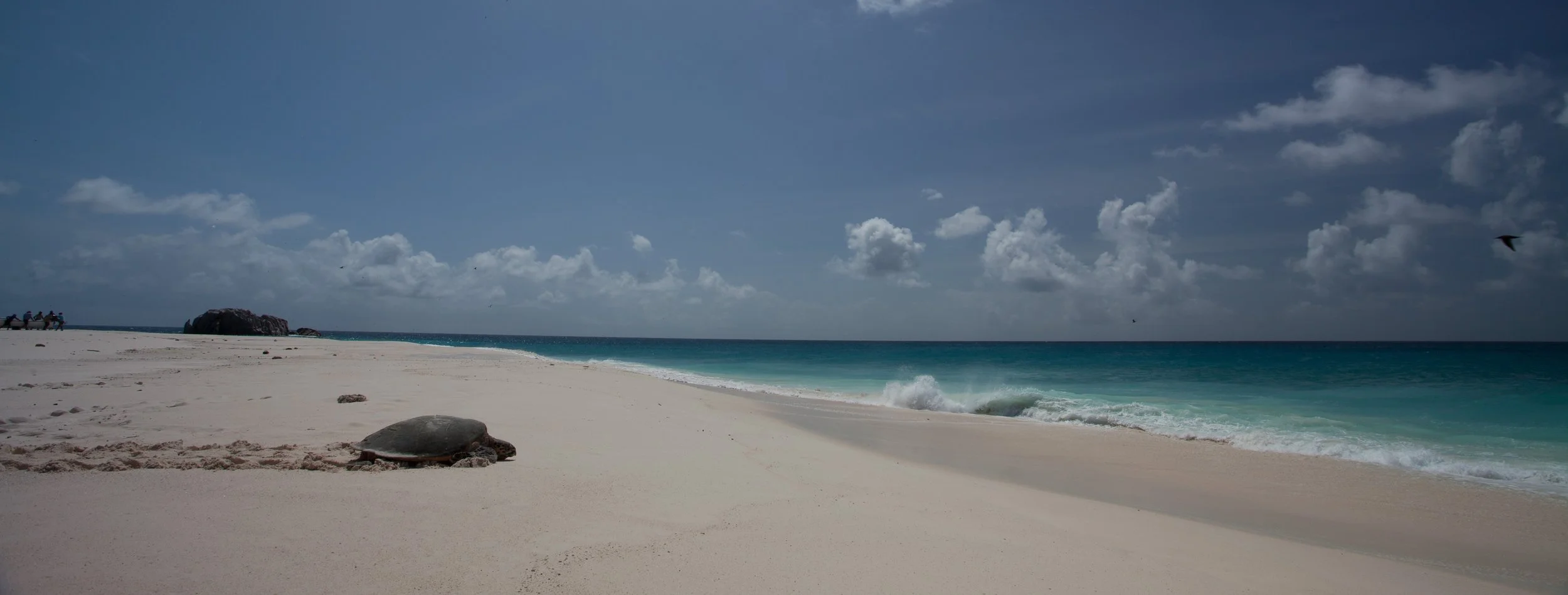
Cousine Island is an ancestral nesting site for Hawksbill sea turtles
Protecting the Shoreline
Stewardship does not stop at the waterline. The boundary between land and sea is one of the most fragile and most important zones on any island, and on Cousine it is treated with particular care. Native coastal vegetation is protected because it holds the shore together, buffering the beaches against the livelier seas that arrive with the southeast trade winds from June onward.
There is honest work here too. Even on a private island far from shipping lanes, debris finds its way ashore, and shoreline clean-ups are carried out as a matter of routine. It is a small, unromantic task that says a great deal about the seriousness of the island's intent. Stewardship is not only the beautiful coral shot. It is also the quiet morning spent clearing what the tide brought in.

Every day is World Ocean Day on Cousine Island, Seychelles
A Living Laboratory You Can Join
What makes Cousine unusual is that none of this happens behind glass. Guests are invited to step directly into the conservation story. At the island's eco research lab, visitors can see the island's conservation work up close and understand the science that keeps the ecosystem in balance.
The ocean itself is open for gentle exploration. Guided snorkelling and diving reveal the reef's colour and movement, while kayaking and stand-up paddleboarding offer a quieter way to skim the shallows, often with reef fish and the occasional turtle gliding below. June's cooler, drier weather, set out in the island's eco calendar, makes for long, clear days on and around the water. Even the kitchen tells the same story, with much of the menu drawn from locally sourced island dining, land and sea kept in balance on the plate as carefully as on the reef.
For many guests, this becomes the most memorable part of the stay. There is a particular pleasure in snorkelling above a reef in the morning and understanding, by evening, exactly how it connects to the forest you walked through and the birds you wil fall asleep listening to. The island does not ask you to choose between luxury and meaning. It quietly hands you both.
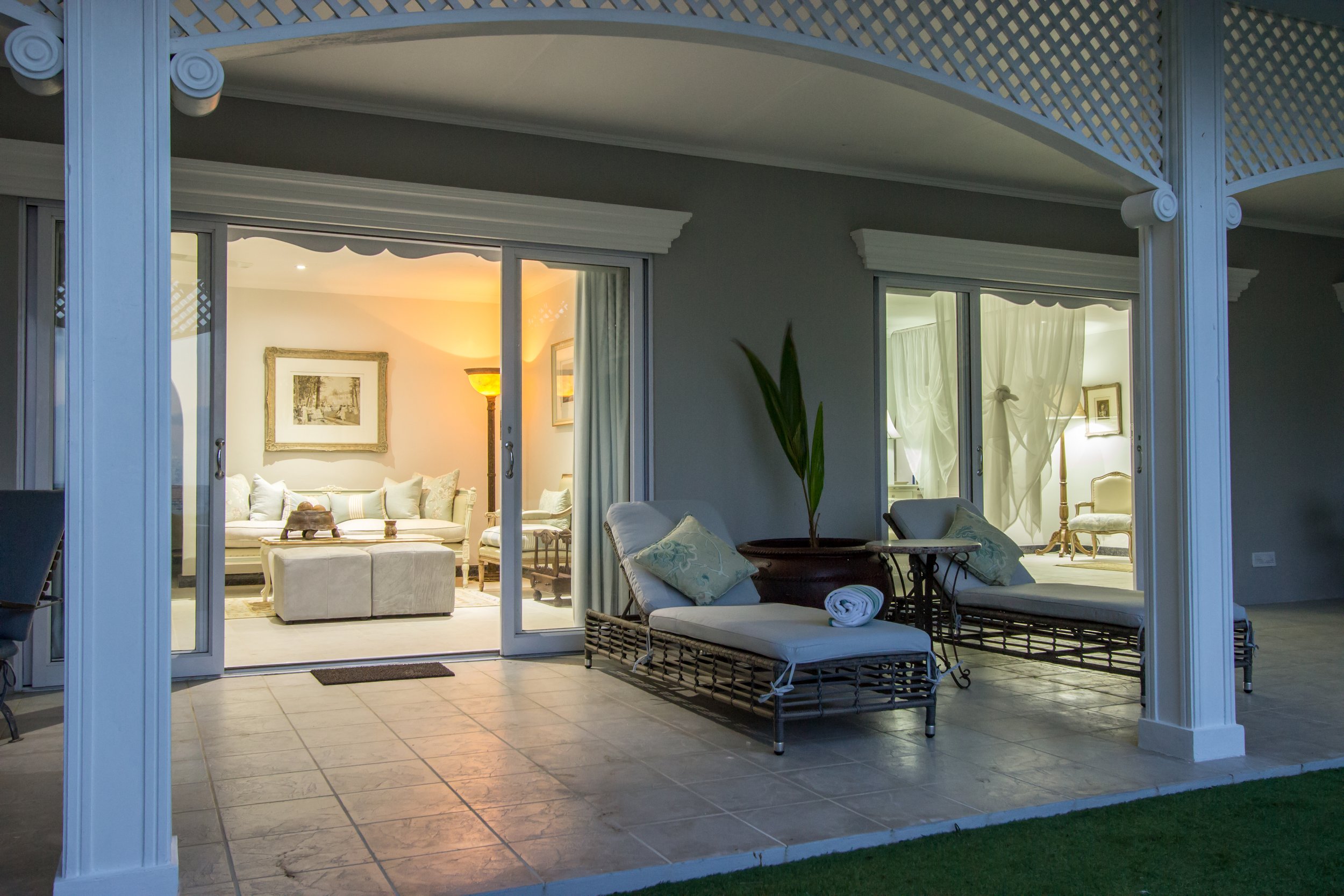
A luxury villa patio at dusk on Cousine Island
Stillness as Stewardship
The Detox Package
June is one of Cousine's most contemplative months. The air cools, the skies dry out, and the pace of the island slows to match. It is the ideal season to step away from the noise of ordinary life and reconnect with something larger and older than yourself.
The Detox package is built for exactly this. Stay six nights and pay for five in a Luxury Villa, with all meals included, a massage for each guest at the Lakaz Lo Lans Spa, selected house beverages, and a bottle of Champagne and a tropical fruit basket waiting on arrival. It is an invitation to slow down inside a place that has spent three decades proving how much can be restored when you simply pay attention.
To plan a June escape that gives back as much as it gives, speak with the Cousine Island team. World Oceans Day will come and go on 8 June. On Cousine, the work it represents will carry on the next morning, and every morning after, as it has for more than thirty years. That is what stewardship looks like when it is real: not a single day of celebration, but a quiet, daily promise kept to the sea.