
Wings on the Trade Winds: Why May Marks Cousine Island’s Most Spectacular Seabird Season
Something shifts on Cousine Island in May. The northwest monsoon yields to the southeast trade winds, the air dries out, and the sky begins to fill. By the second week of the month, hundreds of seabirds appear over the granite ridges and Pisonia canopy, settling into a breeding season that turns this small private island into one of the Indian Ocean’s most active seabird sanctuaries.
For travellers who time their visit well, May offers something the rest of the year cannot match. The chance to stand quietly beneath a sky alive with movement, to hear the colonies before you see them, and to witness conservation in its most visible, audible form.
The Cast: Four Species That Define a Cousine May
Four species drive the spectacle on Cousine through May and into June. Two have been present since the start of the year. Two arrive precisely when the trade winds do.
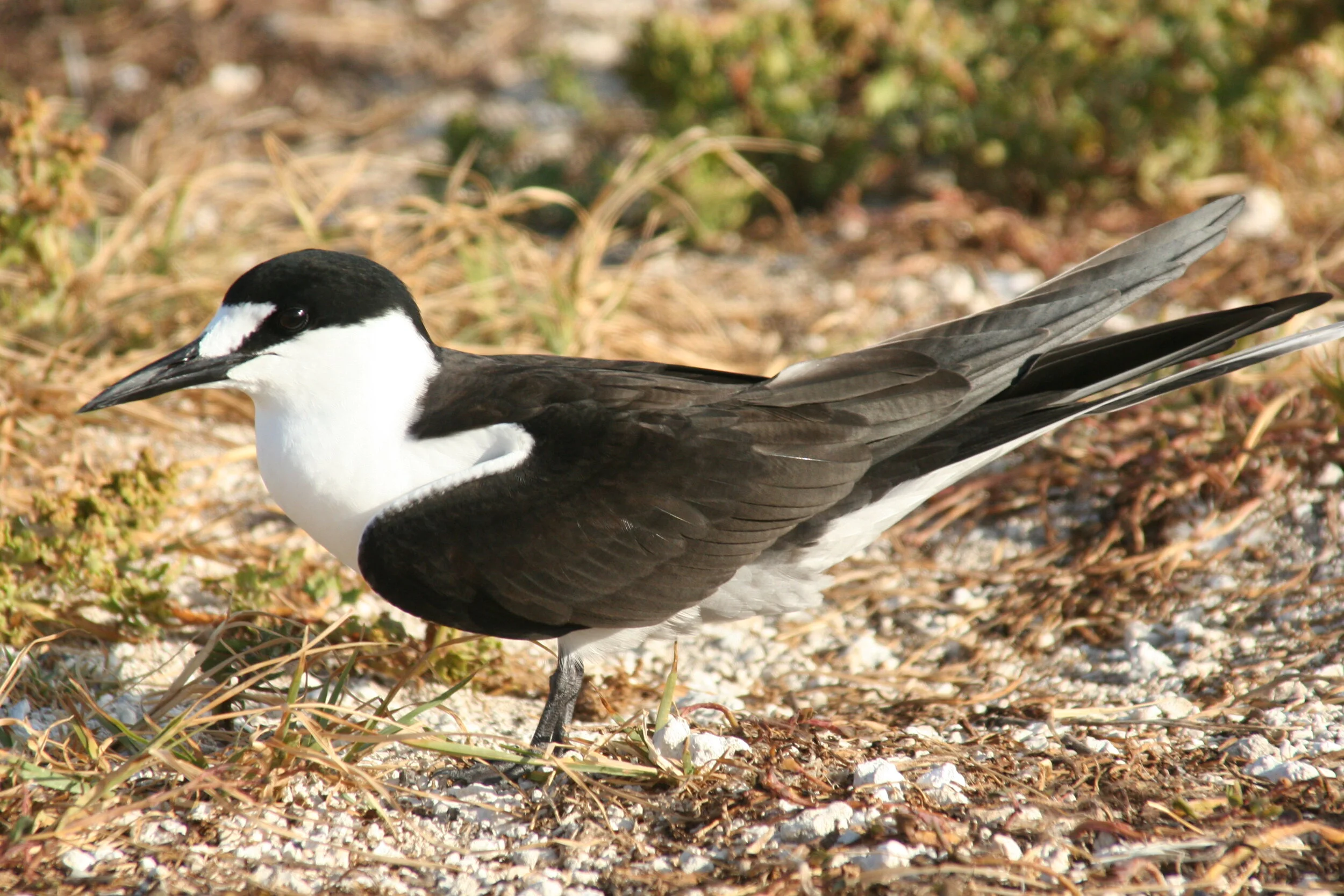
The Sooty Tern arrives in numbers that genuinely surprise first-time visitors. Black-capped, white-bellied, and unmistakably loud, these birds gather in dense breeding aggregations on a small number of Indian Ocean islands. Cousine is one of them. Their arrival is the first signal that breeding season has fully opened.
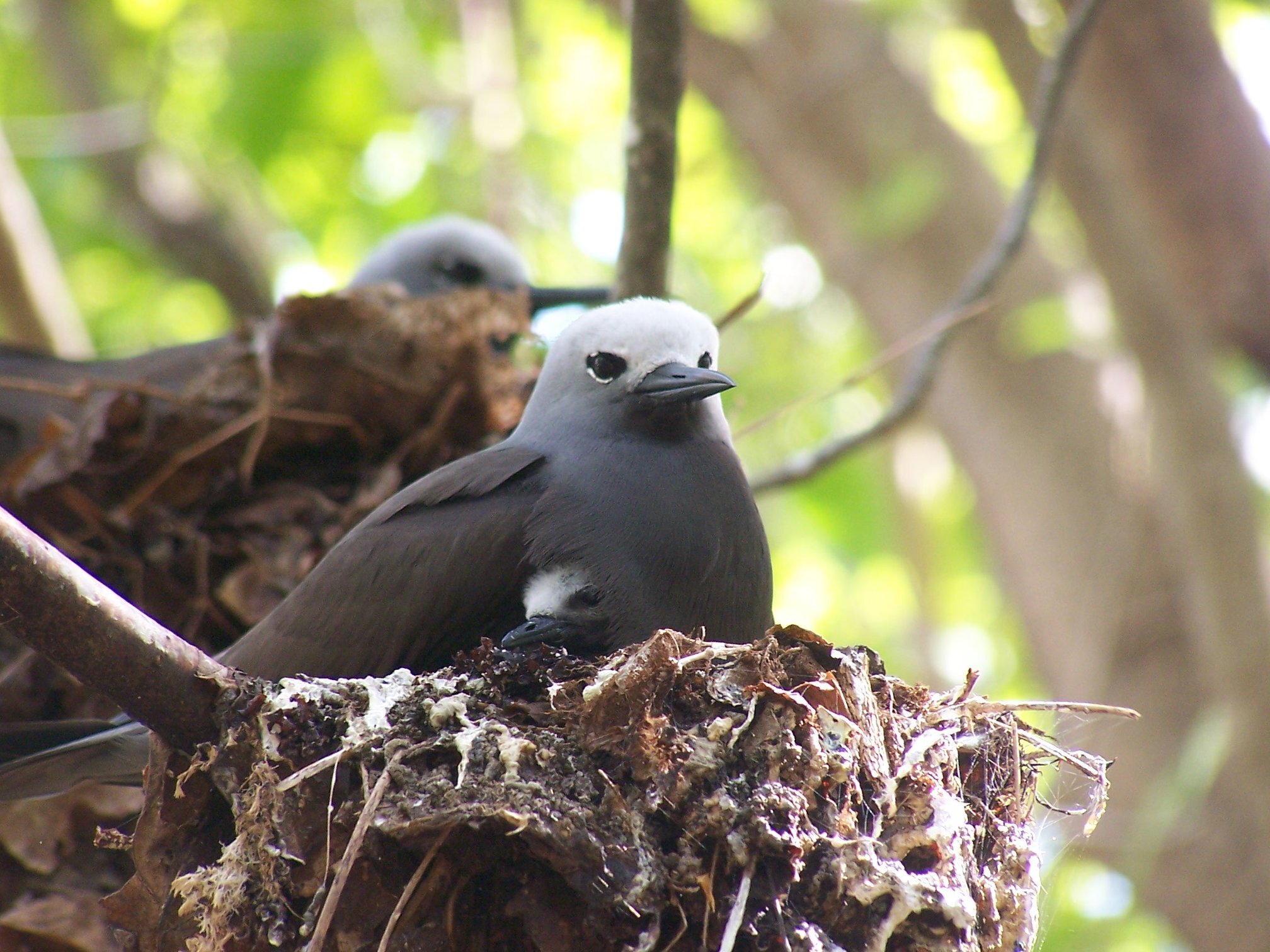
The Lesser Noddy comes alongside them, quieter in tone but equally significant. Brown-bodied with a pale crown, the Noddy nests in the trees rather than on the open ground, and is one of the species the island’s conservation programme has worked for decades to protect from invasive predators.
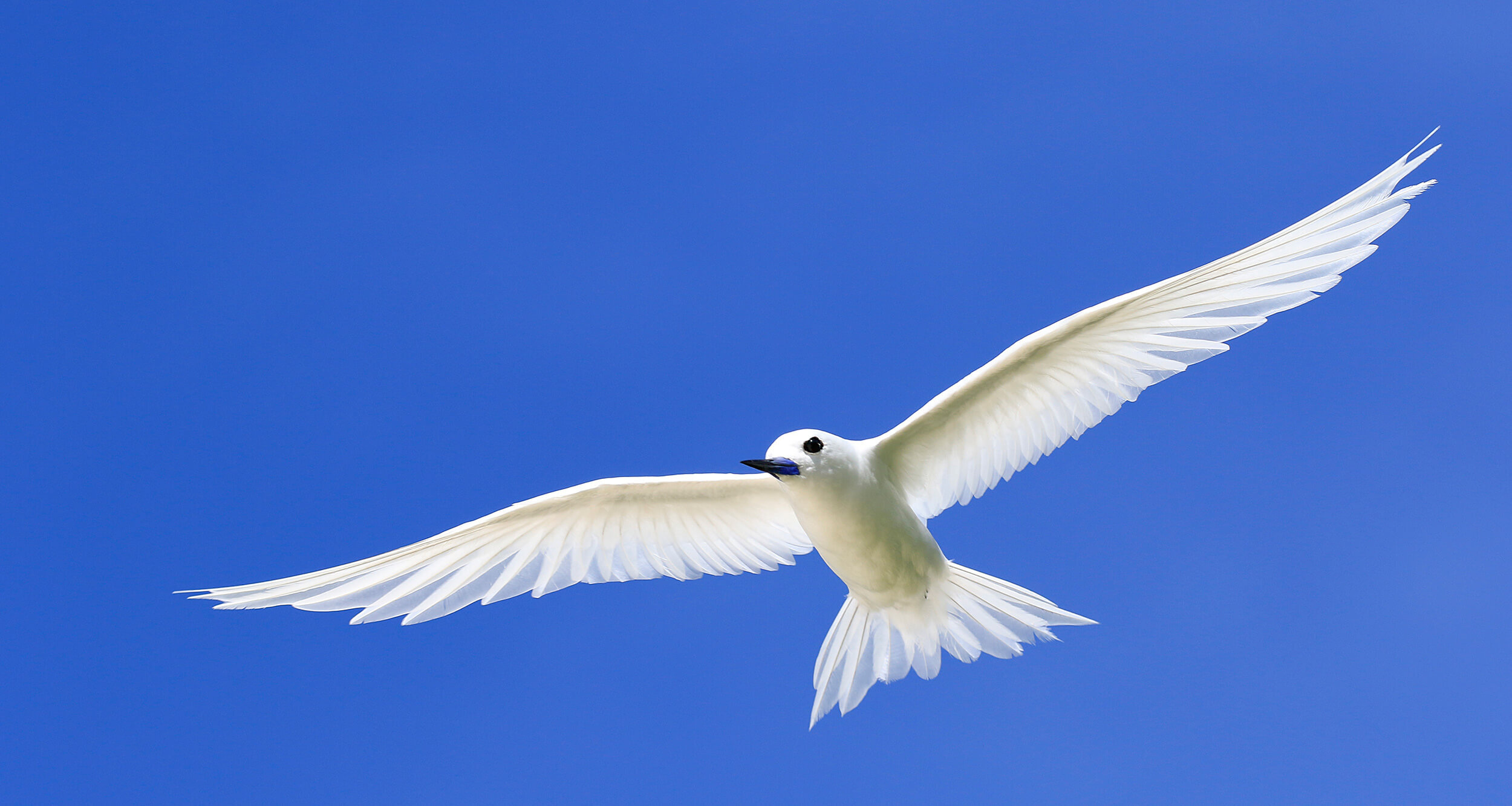
The Fairy Tern is present year-round but peaks in visible activity through May and June. White and almost translucent against the dark canopy, the Fairy Tern lays a single egg directly on a bare branch with no nest at all. It is one of the most photographed birds in the Seychelles, and the density of the Pisonia forest on Cousine makes encounters surprisingly close.
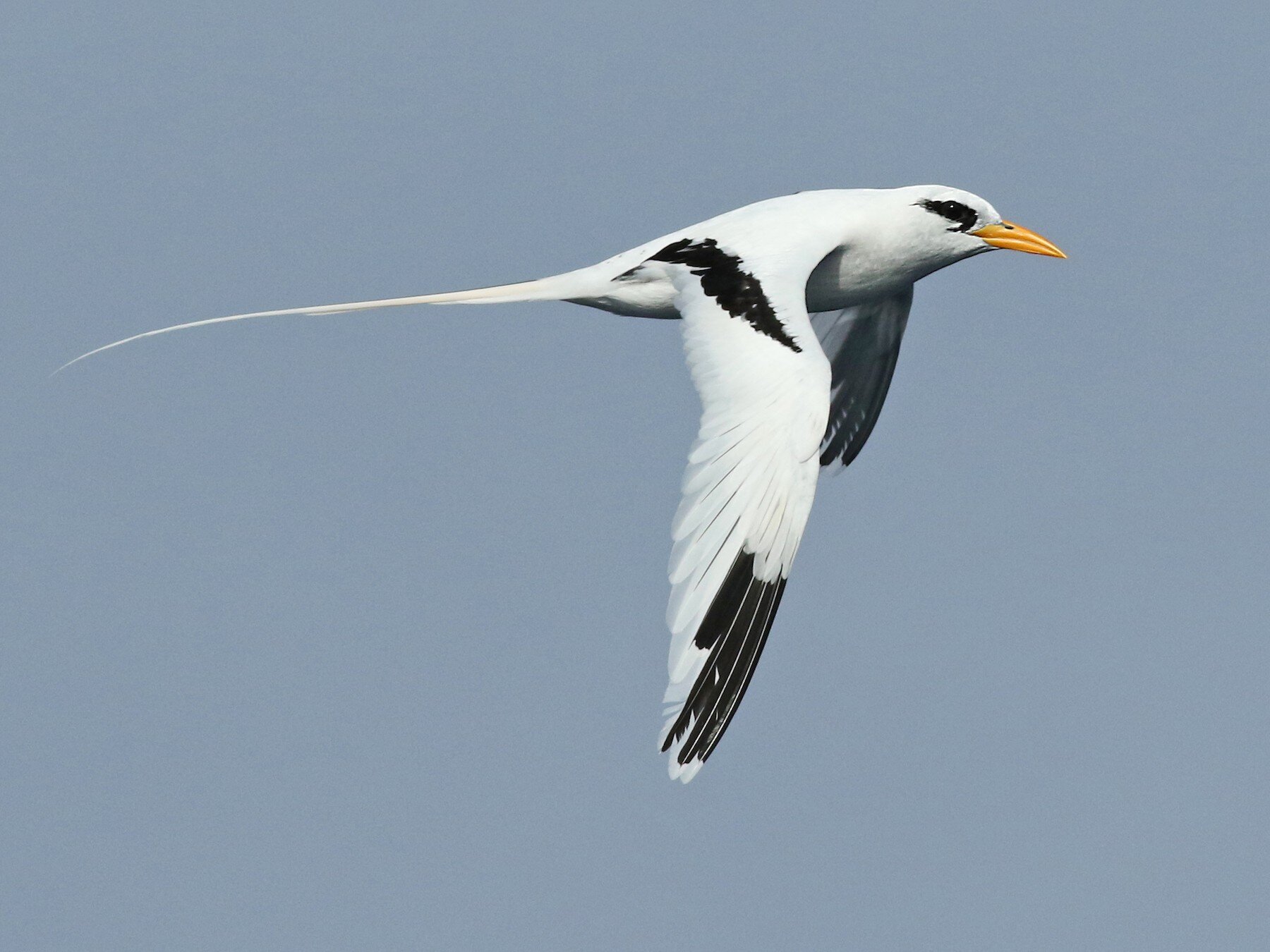
The White-tailed Tropicbird continues its aerial courtship displays well into the May breeding window. The long, trailing tail feathers that give the bird its name are most visible in flight, and a pair circling each other against open sky remains one of the more theatrical sights on the island.
Why Cousine, Specifically
The Seychelles has many islands. Few are as suited to breeding seabirds as Cousine, and the reasons trace back to a deliberate, decades-long restoration effort. The island is one of the very small number in the country that is entirely free of invasive mammals. There are no rats, no cats, no mice. Eggs laid on the ground or in low branches are not at risk from introduced predators, and species that would fail elsewhere succeed here in numbers.
This did not happen by accident. As detailed in the story of Cousine Island, the island was acquired in 1992 and has been the subject of more than thirty years of patient ecological restoration. Coconut plantations were rolled back. Native trees were replanted by hand. The ongoing work of the conservation team is what keeps the seabird colonies thriving today, and visiting the island contributes directly to that work.
A Note on the Soundscape
Anyone who has spent time on a working seabird island knows that the experience is at least as much auditory as visual. From the first week of May, the colonies on Cousine produce a constant, layered ambient sound that builds through the breeding cycle. The harsh, almost industrial calls of Sooty Terns are unmistakable. Noddies are softer, almost conversational. Tropicbirds add their own clicking notes in flight.
Recordings exist, but on the island the experience is entirely different. The sound has direction. A guest can stand still and feel a colony moving overhead before turning to look. This is the part of the May visit that no photograph captures.
A Date Worth Marking: 22 May
The 22nd of May is International Day for Biological Diversity, and few destinations in the world can illustrate that designation more directly than Cousine. The annual United Nations observance asks the world to consider what biodiversity actually looks like in practice. On Cousine in late May, it looks like a sky filled with four breeding species, a forest floor protected by ground that has been rehabilitated for three decades, and a guided walk where a conservation officer can name every plant and bird within sight.
How Guests Experience It
Watching seabirds on Cousine is not a passive activity reserved for serious ornithologists. Guests are welcomed into the breeding season through a series of curated experiences refined over many years.
Guided nature walks with the on-island conservation team are included in every stay. These walks follow established paths through the island’s forest, passing nesting sites and offering close, respectful views of the breeding colonies. The team carries decades of field experience, and the difference that makes in interpretation is significant.
Bird watching is also available independently for guests who prefer a quieter rhythm. The island’s small footprint means that the colonies are accessible on foot from every villa. Early morning and late afternoon remain the most rewarding windows, when light is favourable and bird activity peaks.
For those interested in the science behind the spectacle, visits to the island’s eco-research lab and a closer look at the indigenous tree planting programme can be arranged with the team in advance.
The breeding seabirds are the headline event in May, but they are not the only wildlife guests encounter. The island is also home to populations of Seychelles Magpie-Robins, Seychelles Warblers, Seychelles Blue Pigeons, and Aldabra giant tortoises. Both the Magpie-Robin and the Warbler were brought back from the brink of extinction in part through reintroduction programmes supported by Cousine, and visitors typically see them within the first day. The tortoises are everywhere, and entirely unhurried.
Seychelles Magpie-Robin and Aldabra Giant Tortoise on Cousine Island
The Right Stay for the Right Season
May rewards travellers who give themselves time. Seabird behaviour reveals itself in layers. Arrival. Settlement. Courtship. Nesting. Feeding flights. Returns at dusk. A short stay catches a snapshot. A longer stay catches the rhythm.
The Replenish Package is built for exactly this kind of immersion. Stay ten nights in a Luxury Villa and pay for nine when booking directly. The package includes all meals, selected house beverages, one complimentary spa treatment per guest at Lakaz Lo Lans, a tropical fruit basket and a bottle of Champagne on arrival, and full access to the island’s complimentary activities and experiences.
Across ten nights, a guest will witness the early-morning departures of breeding colonies, the slow returns at golden hour, the courtship behaviours that play out in the canopy, and the quieter ecological details that escape any shorter window.

A Practical Note on Transfers
One small piece of planning information worth knowing: sea transfers between Mahé and Cousine are not recommended between May and October as the trade winds bring livelier seas. Most guests arriving in May travel via helicopter from Mahé or Praslin, which takes approximately seventeen minutes from Mahé and five minutes from Praslin. The Cousine team handles the entire arrival sequence directly.
A Closing Note
The Seychelles is often described in terms of its beaches and its diving. Both are deserved. But on Cousine in May, the experience worth flying for is the one that happens overhead. A private island that for more than thirty years has worked to make this possible is the right place to witness it.
Design your May stay with the Cousine Island team.